

 See My Latest Article on HelloNation
What Is Edible Landscaping and Why Try It in New London, MN?
Edible landscaping blends the beauty of traditional yards with the utility of growing food plants right where you live. Unlike standard vegetable gardens, edible landscapes weave fruit, herbs, and edible flowers into your regular planting beds, borders, and yard designs. For many in New London, this approach fits well into established yards, saves space, and provides fresh harvests during the growing season.
With local weather patterns—cold, snowy winters and warm, moist summers—edible landscaping succeeds when you select the right plants, prepare for changing seasons, and design with both appearance and practicality in mind. For new gardeners, starting small and choosing easy-care crops makes the process approachable.
Which Edible Plants Are Easiest for Beginners in the Community?
For those getting started, look for edible plants that thrive in USDA Zone 4, which suits New London’s climate.
Good beginner choices include:
- Herbs like chives, mint, oregano, and sage—low maintenance and attractive, these return reliably each year.
- Bush fruits such as currants, gooseberries, and hardy raspberries—these survive winter and need minimal care once established.
- Salad greens: lettuces, Swiss chard, kale, and spinach can be tucked into flower beds or borders.
- Edible flowers: nasturtiums and violas add color and can be sprinkled on salads.
Fruit trees like apples and cherries also grow well locally, but require more patience and space. Focus first on plants that don’t need extensive pruning, spraying, or specialized tending.
How Do I Design an Edible Landscape That Looks Good All Year?
Start by mixing edible and ornamental plants together for a balanced look. Many edibles have attractive foliage or flowers and can be used in visible spots. In New London, most edibles are actively growing from May through September, but thoughtful planning helps maintain appeal outside this window.
Tips for attractive, multi-season design:
- Use perennial herbs (sage, oregano, chives) to fill space and provide spring greenery.
- Plant rhubarb or Swiss chard for dramatic stems and texture.
- Intermix small berry bushes with flowering shrubs.
- Edge beds with thyme or strawberries for neatness.
- In fall, let some kale or chard remain for interesting shapes after frost.
- Reserve a spot for garlic or tulips for early-spring shoots.
Mulch with wood chips, shredded leaves, or straw to shelter roots and reduce weeds, especially during colder months.
What Are Common Missteps and How Can They Be Avoided?
Some residents expect instant results from edible landscaping, but a thriving, attractive space takes time. Common challenges include poor plant selection, overcrowding, or loss to wildlife. Here’s how to sidestep these issues:
- Avoid planting too many annual vegetables in highly visible areas—they may leave gaps after harvesting.
- Choose disease-resistant cultivars adapted to local climate; avoid plants that demand warm, long seasons like sweet potatoes or figs.
- Plan for deer and rabbit browsing, either by using fencing, deterrent plantings, or placing vulnerable crops close to the house.
- Don’t forget soil health. Amending with compost or leaf mold each spring improves both appearance and productivity.
Starting with small changes—such as adding a single edible bed or border—makes it easier to learn what works before expanding.
How Can Space Be Used Efficiently in Local Yards?
Even yards with limited sun or space can benefit from edible landscaping.
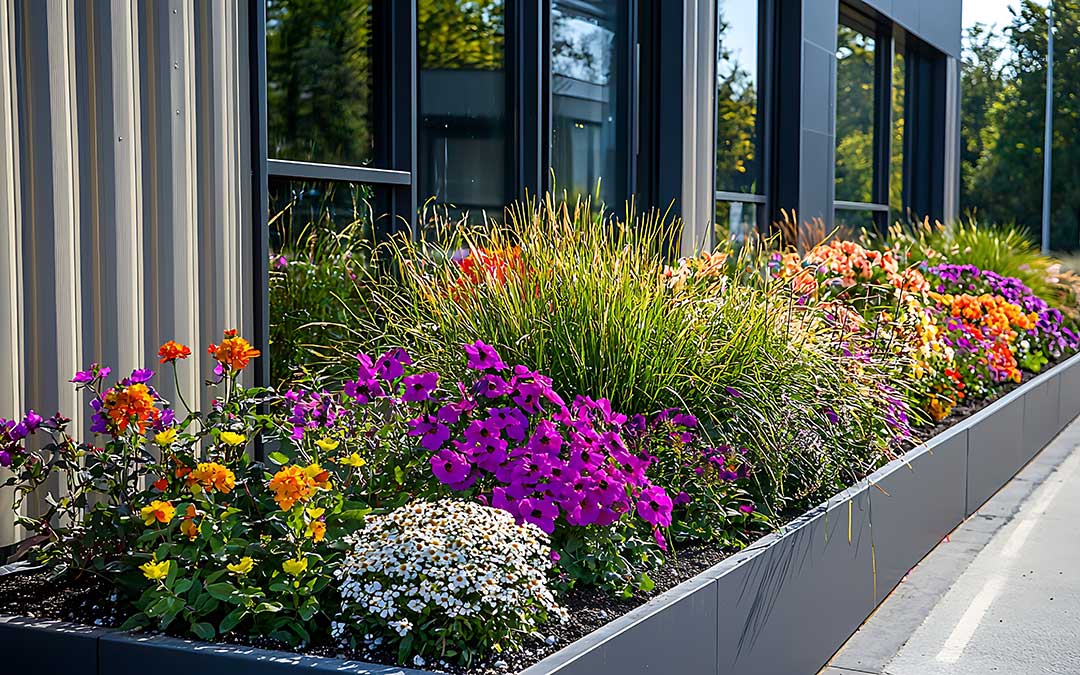
Helpful approaches for local property types:
- Plant in layers—taller fruit bushes at the back, herbs or short veggies up front.
- Use containers for herbs or salad greens on porches, decks, or near doors.
- Make use of partial sun: many greens and some berries tolerate shade.
- Along fences or sunny garage walls, try espaliered apples or trellised peas and beans.
- Grow climbing crops like cucumbers or pole beans up decorative supports.
Many area households have lawns that can spare a corner or a strip near a walkway for a starter edible bed.
What Maintenance Does an Edible Landscape Require?
Edible landscaping generally needs the same care as flower gardens: watering, weeding, mulching, and occasional pruning. Most maintenance occurs between late spring and early fall.
Typical tasks:
- Regular mulching to preserve moisture and suppress weeds.
- Occasional fertilizing, especially for heavy feeders like berries.
- Pruning berry bushes or fruit trees (late winter or early spring), following regionally accepted practices.
- Removing spent annuals or harvesting perennials as needed.
- Monitoring for pests—hand-picking and plant diversity can keep most problems manageable without chemicals.
Snow cover provides some natural protection for perennials during the local winter, making these plants especially well-suited for year-round interest.
Do Edible Landscapes Change the Yard’s Look Over Time?
Yes, edible landscapes evolve with the seasons and as plants mature. Early in the season, bulbs and early greens stand out; midsummer brings lush growth from berries and herbs; autumn may highlight colorful stems or foliage. Unlike all-lawn yards, these landscapes often become more interesting with each season. Over the years, robust perennials and mixed plantings will start to define the space.
Many families find that experimenting gradually—adding a few new plants each spring or shifting flower beds to accommodate culinary herbs—keeps things manageable and enjoyable.