

 See My Latest Article on HelloNation
The hum of bees and the flutter of butterfly wings aren’t just the soundtrack of summer—they’re vital signs of a healthy garden and ecosystem. In New London, MN, where small-town charm meets natural abundance, attracting pollinators to your garden is a fulfilling way to support local wildlife and boost the productivity of your fruits, vegetables, and flowers. Whether you’re a lifelong gardener or just getting your hands dirty for the first time, here are simple ways to make your outdoor space irresistible to pollinators.
Why Pollinators Matter in New London
Pollinators—like bees, butterflies, hummingbirds, and even some beetles—are essential for flowering plants to reproduce. In Central Minnesota, these hardworking creatures pollinate crops, keep wildflower populations healthy, and add life to gardens during the growing season. With the lush parks, lakes, and riverbanks that define New London’s landscape, there’s already a strong foundation for a thriving pollinator population, but every backyard can help.
Choose Native Plants for Local Appeal
Plants that are native to Kandiyohi County are adapted to the climate, soil, and local pollinators. They provide the food and habitat that bees, butterflies, and hummingbirds in our area need most. When planning your pollinator garden, consider these locally suitable species:
- Wild Bergamot (Monarda fistulosa): Attracts bees and butterflies with lavender blooms and a minty scent.
- Purple Coneflower (Echinacea purpurea): A prairie favorite, beloved by pollinators and easy to grow in sunny spots.
- Black-Eyed Susan (Rudbeckia hirta): Bright, long-lasting flowers that attract a variety of native bees.
- Milkweed (Asclepias spp.): Essential for monarch butterflies and strong in New London’s natural areas.
Aim for a mix of early, mid, and late-season bloomers to give pollinators food from spring through fall.
Avoid Chemicals and Let Nature Work
In a community like New London, where many residents enjoy fishing, boating, and spending time outdoors, keeping soil, air, and water clean is a shared value. Pesticides, herbicides, and synthetic fertilizers can harm pollinators directly or reduce their food sources. Instead:
- Hand-pull weeds or use mulch to suppress them.
- Choose organic or natural pest control methods—introduce ladybugs or praying mantises to control garden pests.
- Compost grass clippings and leaves for a healthy, pollinator-safe fertilizer.
Add Water Features for Hydration
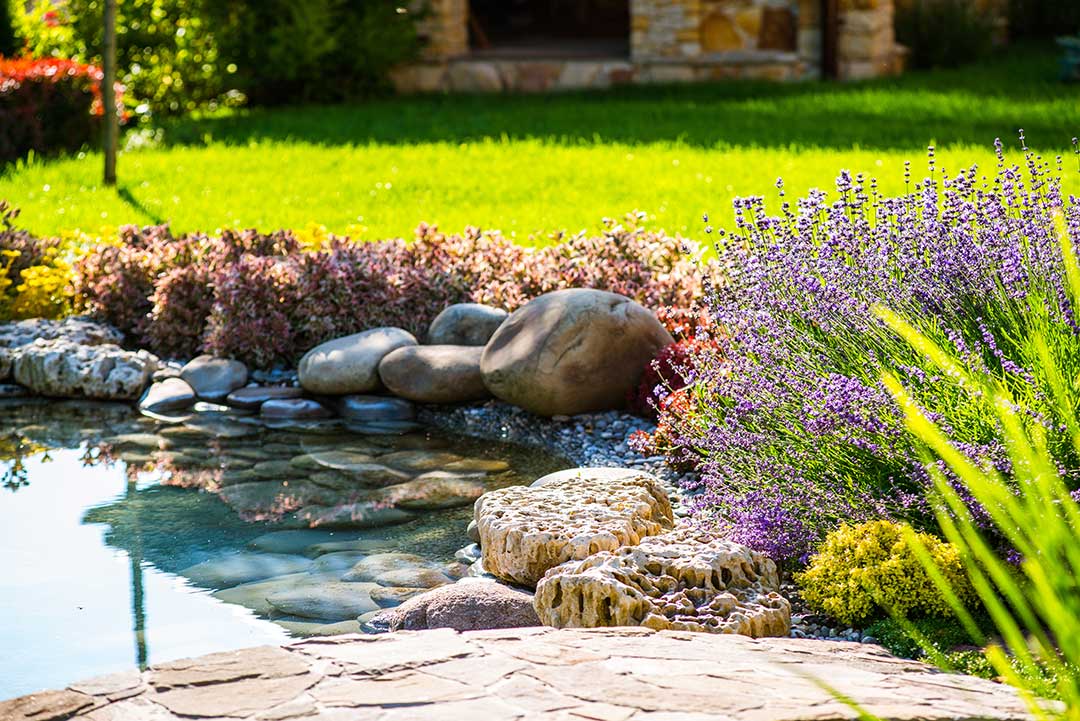
During Minnesota’s warm summers, pollinators need water just as much as we do. A shallow birdbath, a dripping stone, or a small, shallow dish with pebbles provides vital drinking spots for bees and butterflies. Change the water regularly to prevent mosquito breeding and keep it fresh.
Create Shelter and Nesting Sites
Pollinators need safe places to lay eggs, rest, and shelter from storms. Many local gardeners in New London use native grasses, log piles, or bee houses to welcome beneficial insects:
- Leave some areas of bare soil for ground-nesting bees.
- Add dead wood or tree stumps for beetles and solitary bees.
- Grow tall, ornamental grasses to protect butterflies and moths.
Let Your Yard Be a Little Wild
Perfection isn’t required—embracing a bit of wilderness makes your garden more attractive to pollinators. Leaving some leaf litter under trees, letting flowers go to seed, or allowing a few “weeds” to grow can make all the difference. These practices support caterpillars, overwintering bees, and other vital insects.
Plan for Continuous Bloom
A garden that offers pollen and nectar throughout the growing season becomes a key stop for pollinators. In New London, the growing season can be short, but careful planning ensures different flowers are always available. Group the same types of plants together in clusters so pollinators don’t have to waste time hunting for food.
Involve the Community
One beautiful thing about living in New London is the sense of community—neighbors sharing plants, advice, or simply enjoying local parks together. Consider:
- Joining or starting a local “pollinator pathway” project.
- Sharing seeds or native plant plugs with neighbors.
- Writing a yard sign or labeling pollinator plants to educate others.
- Participating in local gardening groups or workshops hosted by the city or local nurseries.
Celebrate Results and Enjoy the Buzz
As your garden becomes more pollinator-friendly, you’ll notice more activity—bees zipping from blossom to blossom, butterflies basking in the sun, and perhaps a hummingbird visiting on its way to the Crow River. These moments connect us to nature and offer a rewarding reminder of our place in the web of life.
Creating a pollinator haven in New London, MN, is both an act of environmental stewardship and a way to foster beauty and resilience in your own backyard. With a little intention and some native plants, your garden can become a beloved stopover for pollinators all season long.