

 See My Latest Article on HelloNation

If you’re interested in growing your own vegetables, herbs, or flowers in New London, MN, building a raised garden bed can be one of the best ways to make gardening more productive and enjoyable. Raised beds help improve soil drainage, reduce weed pressure, and make it easier to manage your garden throughout Central Minnesota’s varied weather. In this guide, we’ll walk you through the essentials of constructing a raised garden bed that thrives in our local climate, making the most of New London’s outdoor lifestyle.
Why Choose a Raised Garden Bed in New London, MN?
New London is known for its beautiful lakes, scenic landscapes, and a community that values homegrown produce and time spent outdoors. Raised garden beds are perfect for our area because:
- The growing season can be short and variable, but the soil in raised beds warms up quicker in spring and drains better after heavy rain.
- Many properties in New London have imperfect or rocky soil—raised beds let you control soil quality and avoid frustration.
- Gardening can be a family-friendly activity, and raised beds make planting, weeding, and harvesting accessible for all ages.
Planning Your Raised Bed
Location, Location, Location
The first step is to choose a sunny spot in your yard—garden beds should get at least 6-8 hours of sunlight each day for the best vegetable yields. Consider a location with easy access to water, since frequent watering can be necessary during dry spells or the heat of midsummer in Kandiyohi County.
Size and Materials
For most home gardens in New London, MN, a 4-foot by 8-foot raised bed is practical. It’s wide enough for plenty of plants but narrow enough to reach into from either side. When it comes to height, 12 to 18 inches provides plenty of space for roots and healthy soil depth.
Common material choices:
- Cedar: Naturally rot-resistant and safe for growing food.
- Untreated pine: Affordable but may not last as long in our local climate.
- Recycled composite boards: Durable and eco-friendly.
- Avoid pressure-treated lumber for food gardens, as chemicals may leach into the soil.
Building Your Raised Garden Bed: Step-by-Step
1. Gather Tools and Materials
You’ll need:
- Boards (2×12 cedar works well for Minnesota climate)
- Galvanized screws or deck screws
- Power drill
- Tape measure
- Carpenter’s square
- Landscape fabric (optional for weed control)
2. Assemble the Frame
- Cut boards to length if necessary (for a 4×8 bed, two boards each of 4' and 8').
- Lay out the boards on a flat surface.
- Use the carpenter’s square to keep corners at 90 degrees.
- Drill pilot holes and screw the boards together at each corner.
3. Prepare the Site
- Lay out the bed where you want it to go. Mark the corners with stakes.
- Remove grass or weeds from the bed area to prevent regrowth.
- For rocky or clay-heavy New London soils, consider loosening the ground with a shovel before placing the frame.
- Optionally, lay landscape fabric at the bottom to prevent invasive weeds.
4. Set Up the Bed
- Move your assembled frame into position.
- Ensure it’s level so water doesn’t pool in one corner after rainstorms common in Minnesota.
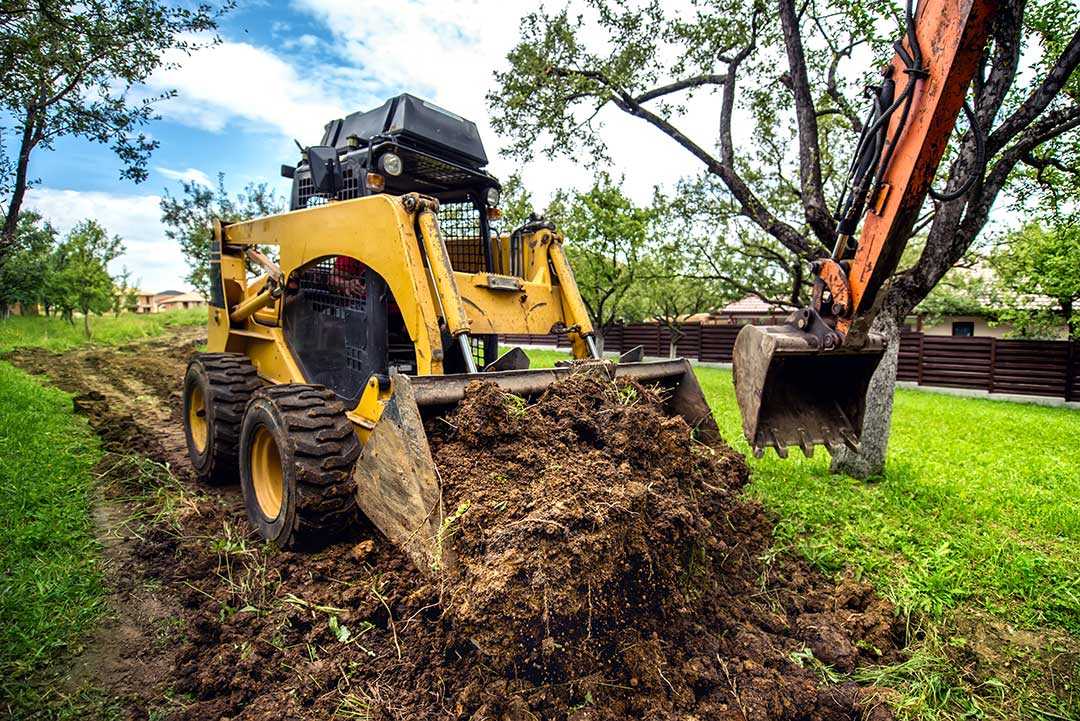
5. Fill With Quality Soil
The best results come from filling your raised bed with a high-quality mix:
- 60% topsoil (local garden centers in New London carry soil blends)
- 30% compost (add nutrients and organic matter)
- 10% sand or perlite (improves drainage)
Ask at your local nursery for advice tailored to our regional soil and plant needs.
What to Plant in a Raised Garden Bed in New London, MN
Raised beds offer more control over the planting season and can help you get an early start. Here are crops particularly suited to our area:
- Cool-season greens (lettuce, spinach, kale) thrive in early spring and late fall.
- Tomatoes, peppers, beans, and cucumbers do well in the warmth of summer.
- Herbs like basil, chives, and parsley love the improved soil of raised beds.
- Companion flowers such as marigolds help control local pests naturally.
Tips for Success in Central Minnesota
- Add mulch to reduce weeds and conserve moisture, especially during the sunny, dry spells of July and August.
- Install hoops or row covers in spring and fall to protect plants from late frosts—those chilly mornings can sneak up in New London!
- Water early in the morning to reduce evaporation and help plants handle summer heat.
- Rotate crops and refresh composted soil each year for the healthiest, most productive beds.
Involve Your Family and Community
Gardening is a cherished pastime for many in New London, bringing neighbors together and connecting kids to where their food comes from. Invite children to help choose seeds or decorate bed edges with local rocks or painted signs. Host a garden swap with friends to share seeds, tips, or even surplus produce.
Conclusion
Building a raised garden bed in New London, MN is an investment in your health, your property, and your enjoyment of the outdoors. With straightforward materials and a free weekend, you can set yourself up for a successful growing season and years of garden-to-table meals. Whether you’re growing heirloom tomatoes or Minnesota-hardy wildflowers, raised beds are a winning choice for our local lifestyle.
Happy gardening from your local landscaping expert!