

 See My Latest Article on HelloNation
Why Does Tree Selection Matter Near Homes?
Choosing the right trees to plant close to your house can help with shade, energy efficiency, curb appeal, and even property value in New London, MN. However, making the wrong choices can lead to costly damage from aggressive roots, storm breakage, or overlapping utility lines. Knowing which tree species work best in local soil types, survive harsh winters, and avoid common pitfalls helps area residents avoid regrets later on.
What Tree Species Grow Well Near Houses in the Area?
Some trees are better suited to thrive near houses in the local climate and community environment. The most suitable trees are typically:
- Medium-sized, with non-invasive root structures
- Deciduous (lose their leaves in fall) for summer shade and winter sun
- Resistant to pests and diseases common in the region
- Adapted to local rainfall and winter temperatures
Commonly recommended tree options include:
- Serviceberry (Amelanchier spp.): Grows 15-25 feet tall, offers spring flowers, edible berries, and bright fall color.
- Red Maple (Acer rubrum) – specifically compact cultivars: Provides quick shade, excellent fall foliage, and moderate height.
- Japanese Tree Lilac (Syringa reticulata): Produces fragrant white flowers in early summer and does not grow overly large.
- Hackberry (Celtis occidentalis): Hardy, adaptable, and non-messy, it copes well with varying soils and local weather swings.
- Amur Maple (Acer ginnala): Smaller form, vibrant autumn leaves, and low risk to foundations and pavement.
These selections are considered reliable performers for local yards, especially when planted with at least 15–20 feet of clearance from foundations and main walkways.
Are Some Trees Risky to Plant Near Homes?
Yes, some species cause issues when planted too close to structures or underground lines. Potential problems include:
- Surface roots damaging driveways or basements
- Tall, brittle branches that snap in winter or during storms
- Messy fruit or sap dropping onto patios, cars, or walkways
Trees best avoided near houses include:
- Silver Maple and Norway Maple (rapid-growing, brittle wood, invasive roots)
- Willows and Poplars (aggressive roots can crack septic systems, sidewalks)
- Black Walnut (toxic juglone chemical affects other plants, large nuts cause clean-up)
- Cottonwood (fast-growing but weak limbs; makes a lot of fluffy seeds)
If these are already present in a yard, maintaining proper distance and regular pruning help reduce risks.
How Far from the House Should Trees Be Planted?
Trees should never be planted too close to a building, regardless of their size as seedlings. For New London conditions:
- Small trees (less than 25 feet at maturity): Plant 10–15 feet from the house.
- Medium trees (25–40 feet): Keep at least 15–20 feet away.
- Large trees (over 40 feet): Require at least 25–30 feet of clearance.
This spacing helps prevent root encroachment on foundations, overhanging limbs, leaf clogging of gutters, and potential storm damage.
What Should Be Considered About Local Weather and Soil?
The city experiences cold winters, occasional severe storms, and clay or loamy soils. Trees must stand up to snow load, periodic drought, and freeze-thaw cycles. Look for species rated to USDA Zone 4 or colder. Before planting, check the site:
- Sun or Shade: Some trees will tolerate shade from houses, while others need full sun to develop proper structure.
- Drainage: Avoid low spots where water pools unless the species is flood-tolerant.
- Wind Exposure: Protect young trees from prevailing winds, especially on open lots or new developments.
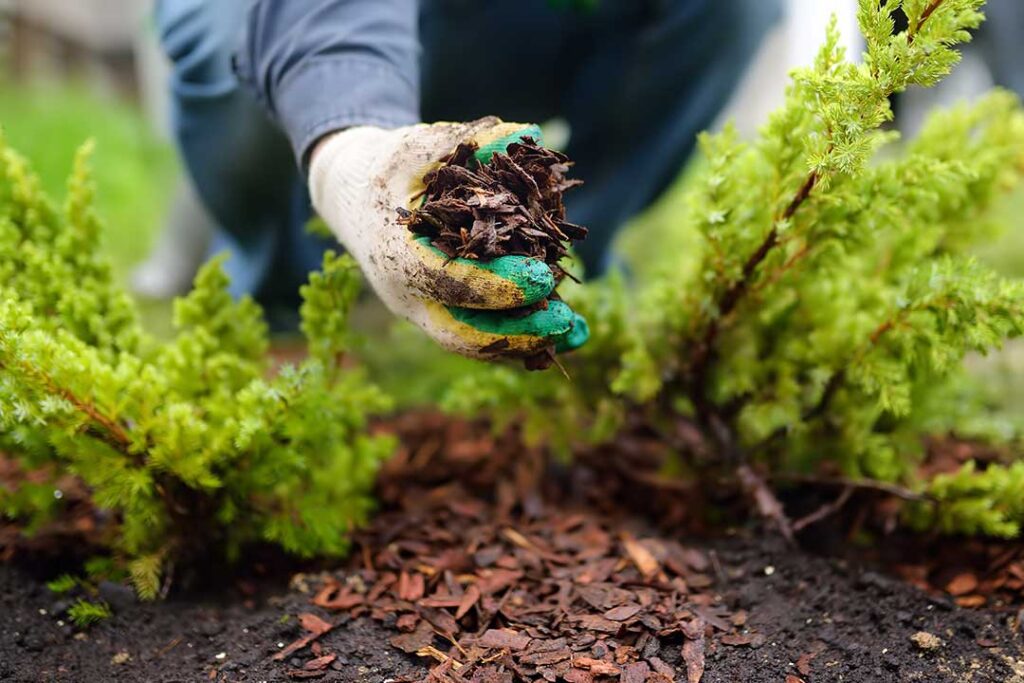
Adding compost or mulch after planting helps young trees establish in local soils, improving survival rate.
Do All Trees Need the Same Maintenance?
Maintenance needs vary widely. Most of the trees listed above are low-effort once established but will benefit from:
- Watering during dry spells in their first 2–3 years
- Mulching (not piled against the trunk)
- Pruning dead or crowded branches in late winter
Regular observation throughout the growing season helps catch any issues with insects or disease before they spread.
What Are Common Myths About Trees Near Houses?
Some local residents believe that any tree will do well if planted far enough from the home, or that rapid growth is always better. In reality:
- Quick-growing trees often produce weak wood that splits easily in storms.
- “Dwarf” or “ornamental” types still require proper spacing from utilities and driveways.
- Some believe conifers (like spruce or fir) are always safer, but their dense branches can block winter sunlight and interfere with snow shedding from roofs.
Researching individual species and planning placement before digging leads to fewer regrets in the years ahead.