

 See My Latest Article on HelloNation
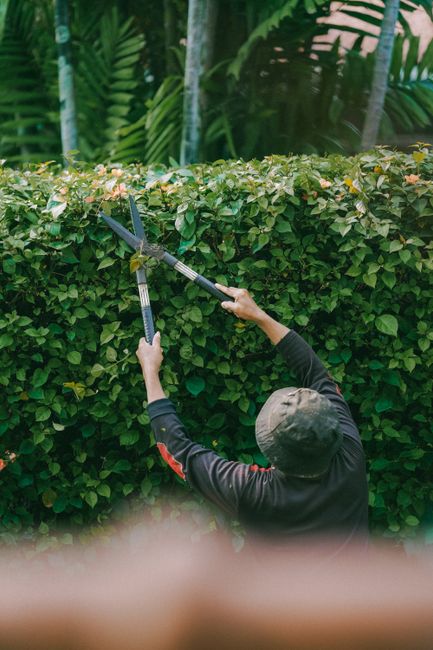
Why Prune Trees and Shrubs in New London, MN?
Pruning helps shape plants, encourage healthy growth, and reduce the risk of damage from storms and disease. In New London, MN, routine pruning ensures that trees and shrubs thrive in the local climate, stay safe around homes and sidewalks, and remain attractive parts of residential landscapes.
Local weather patterns—including cold winters and humid summers—impact when and how pruning is best performed. In this environment, timing and technique have a significant effect on plant health.
When Should You Prune Trees and Shrubs?
The timing depends on the planting species and the local growing season.
- Most deciduous trees and shrubs (those that lose leaves in fall) are best pruned during late winter or very early spring, while they are still dormant but before sap begins to flow. This minimizes stress and allows for rapid healing in spring.
- Spring-flowering shrubs, such as lilacs or forsythia, should generally be pruned just after blooms fade. Pruning too late in the season could remove buds set for the following year.
- For evergreens and needled conifers, light pruning is safest in early spring. Avoid major cuts in late summer or fall, as new growth may not harden off before winter freezes.
- Avoid pruning during extremely cold periods or hot, dry spells to reduce the risk of injury or disease.
Small corrective cuts—removing dead or damaged wood—can be made any time they’re noticed.
What Tools Are Needed for Effective Pruning?
Using sharp, clean tools is essential for precision and plant health.
- Hand pruners: For thin branches and stems (less than ½ inch in diameter)
- Loppers: For slightly thicker branches (up to 2 inches)
- Pruning saw: Best for larger branches or woody stems
- Pole pruner: For high branches that are out of reach
Disinfecting blades between plants—and after cutting diseased branches—prevents the spread of pathogens common in Minnesota gardens.
How Do You Make Proper Cuts?
Cutting technique is more important than many people realize and directly affects plant recovery.
- For branches: Cut just above a healthy bud or lateral branch, angling away slightly so water doesn’t collect on the cut surface.
- For larger limbs: Use the “three-cut” method—first an undercut several inches from the trunk, then a top cut slightly further out, finally a clean cut just outside the branch collar (the swollen base). This method prevents bark tearing and protects the main trunk.
- Avoid leaving stubs or cutting flush to the main trunk, which can slow healing or cause decay.
Misconception: Removing too much at once can shock or weaken a plant; it’s generally safest to take no more than one-third of living branches in a single session.
What Are Common Mistakes to Avoid?
Residents sometimes worry about damaging their plants or making aesthetic errors. Typical pitfalls include:
- Topping trees (cutting off main leaders) rather than pruning selectively—this can lead to weak growth and unattractive form.
- Removing too much growth, which stresses shrubs and trees and can lead to sucker growth or decline.
- Ignoring the natural shape of the plant, resulting in unbalanced or awkward appearance.
- Failing to clean tools between cuts, spreading disease.
In the community, over-pruning is often seen after storms or during home renovations—balance aesthetics, health, and recovery when assessing what to cut.
Are There Local Factors That Affect Pruning in New London?
The climate in New London brings freezing temps, spring moisture, and periodic wind or ice storms that can damage branches. It’s wise to:
- Inspect trees each spring for winter injury, such as split limbs or windburn, and remove affected growth early.
- Watch for fungal diseases that thrive in humid summer spells.
- Consider nearby sidewalks, roads, and power lines—local guidelines may control how much you can prune near these infrastructures.
- Preserve native trees, as many provide ecological benefits like shade, stormwater management, and wildlife habitat.
Mulching around the base of shrubs and trees (after pruning) helps maintain moisture and protect roots from temperature swings common in local neighborhoods.
How Can Pruning Support Healthy Growth and Appearance?
Pruning isn’t just about trimming back overgrowth; it stimulates new shoots, increases sunlight reach inside the canopy, and can boost flower or fruit production.
For privacy hedges and screens common in New London yards, shearing should be done so the base is wider than the top, allowing sunlight down to the lower branches. Conversely, ornamental trees like crabapples or serviceberries benefit from selective thinning to open up the center and improve airflow.
Take the opportunity during pruning to inspect for signs of disease, insect infestation, or animal damage—early intervention can prevent larger problems.
When Is It Safer Not to Prune Yourself?
Proper pruning is generally safe for most shrubs and young trees. However, avoid DIY efforts when:
- Branches are near power lines or require climbing. Leave these to qualified utility or arborist personnel for safety.
- Large, unstable limbs are overhead or at risk of falling—prioritize personal safety.
- City codes or neighborhood associations have specific guidelines for protected or roadside trees.
For most garden maintenance and small ornamental trees or shrubs, informed residents can handle pruning confidently with care and the right knowledge.