

 See My Latest Article on HelloNation
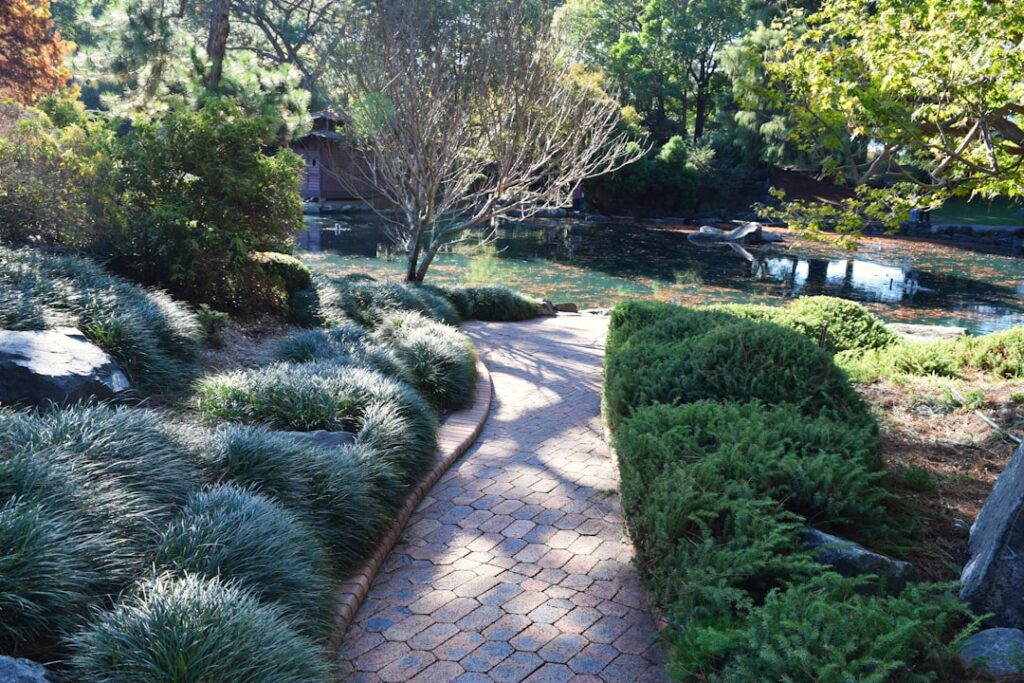
Why Build a Garden Pathway Yourself?
Creating your own garden pathway can add both charm and structure to your outdoor space. In New London, MN, many homeowners prefer to build walkways themselves to save money, reflect personal style, and ensure the design works with the local climate. DIY paths are common for connecting patios, garden beds, sheds, or simply providing a place to stroll through the yard.
What Materials Work Well for Pathways in This Area?
For local pathways, residents typically choose materials that stand up to seasonal freezes, thaws, and rainfall patterns:
- Gravel: Resilient, drains well, and is affordable. Avoid pea gravel, which easily shifts underfoot.
- Natural stone or flagstone: Offers a timeless look and resists cracking. Works well in both sun and shade.
- Mulch or wood chips: Suitable for informal garden paths and can be refreshed yearly.
- Pavers or bricks: Very durable and can be installed in patterns. Ensure pavers are suited for freeze-thaw cycles.
Many residents repurpose leftover materials from other outdoor projects. Accessibility and how the path will be used—whether for daily traffic or occasional enjoyment—should guide material selection.
Do I Need to Worry About Permits or Regulations?
Most DIY garden pathways in New London do not require permits, especially if they are informal and don’t involve major excavation or concrete work. However, some rules can apply:
- Avoid placing pathways on public easements or closer to the street without checking local ordinances.
- For paths next to utility lines (gas, water, communications), call the state's utility location service before digging.
- If the design could affect drainage, be mindful of water flow to avoid impacting neighboring yards.
Double-checking with local code enforcement or the public works department can prevent headaches later.
How Do I Plan the Path Layout for New London’s Climate and Soil?
Start by mapping the desired route with a hose or ropes to see how it fits with garden beds, trees, and lawn areas. In New London, frost heave is a real concern—paths need drainage and flexible borders to avoid shifting after winter.
Key planning considerations:
- Follow the natural lay of your yard to minimize digging.
- Avoid low spots where water pools after heavy rain.
- For areas with dense clay, add a base layer of crushed stone to improve drainage.
Plan for a path width that suits how you’ll use it—18 to 24 inches is standard for basic foot traffic; 36 inches or more is better if you'll use a wheelbarrow.
What Steps Are Involved in Installing a DIY Pathway?
Here’s a basic overview, adaptable for most material types:

1. Mark the Path: Lay out the shape with stakes and string or garden hoses.
2. Remove Sod and Soil: Dig 2-4 inches deep, adjusting for your chosen path depth and materials.
3. Lay a Base: For gravel, stone, or pavers, spread and tamp down a 2-3 inch layer of crushed gravel. Mulch paths can usually skip this.
4. Install Edging: Wood, metal, or stone edging keeps materials in place and defines the border.
5. Add Surface Material: Spread gravel, lay stones or bricks, or fill with mulch. Keep the surface level with the lawn or surrounding garden for easy mowing.
6. Fill Gaps: Sweep sand or fine gravel into joints if installing stone or pavers.
Take your time leveling and compacting each layer—Minnesota’s freeze-thaw cycles reward careful prep work.
How Can I Keep My Pathway Looking Good Year-Round?
Pathways in New London face freeze-thaw, snow, and spring mud. Here’s how locals maintain their walkways:
- Rake or replenish mulch and wood chips each year.
- Sweep gravel or stone paths after winter ice melts—spread displaced stones back in place.
- Keep pathways free of weeds with manual pulling or a layer of landscape fabric under the surface material.
- After plowing or shoveling, watch for edge damage and repair as needed.
For safety, avoid using salt-based ice melt directly on stone or brick paths—sand offers traction without harming materials.
Common Mistakes to Avoid in Garden Path Projects
A few pitfalls are easy to sidestep with local experience:
- Skipping a base layer: Leads to rutting, poor drainage, and frost heaving.
- Choosing materials unsuited for climate: Slippery stones or untreated wood can become dangerous in icy conditions.
- Making paths too narrow: This quickly turns practical walkways into decorative features that frustrate users.
Measure twice, build once, and select materials that hold up to both family use and local weather extremes.