

 See My Latest Article on HelloNation

What Are Natural Weed Control Methods?
Natural weed control refers to techniques that reduce or eliminate unwanted plants without relying on synthetic herbicides. For New London, MN residents, these strategies often involve prevention, manual removal, and the use of locally available materials like mulch, ground covers, or proper watering practices. These approaches keep gardens, lawns, driveways, and pathways weed-free while minimizing risks to pollinators, pets, and surrounding water sources.
Can Mulch Really Prevent Weeds and How Should It Be Used?
Placing a thick layer of organic mulch is a locally practical way to block sunlight, making it difficult for weed seeds to sprout. In New London’s climate, shredded leaves, grass clippings (from untreated lawns), and wood chips are all common options. A mulch depth of 2–4 inches is generally sufficient around landscape beds and trees. In vegetable gardens, straw or untreated grass clippings can be used.
- Replenish mulch as it decomposes, typically each spring
- Keep mulch a few inches away from crown stems to prevent rot
- For pathways or under play equipment, wood chips provide longer-lasting coverage
Areas in the city with heavier shade or native perennial beds may require less frequent mulching, as established plants naturally suppress weeds over time.
Does Hand-Pulling Weeds Work Long-Term?
Manually removing weeds, root and all, is one of the most effective non-chemical methods. It is especially important to pull annual weeds before they produce seeds. After a good rain, soil in this region is easier to work with and weeds usually come out more cleanly. For deep-rooted perennials like dandelions, a sturdy weeding tool helps dislodge the entire taproot.
For residents with larger properties, focusing on problem spots each week makes the task more manageable and prevents spreading.
Common pitfalls include:
- Leaving roots behind, allowing regrowth
- Putting pulled weeds in compost before seeds are dead
- Ignoring weeding until mid-summer, when most weeds have already seeded
Are There Safe Household Remedies for Spot-Treating Weeds?
Some residents in the community try vinegar, boiling water, or even salt as natural weed killers. These methods can be useful for small cracks in driveways or walkways, but each has important limitations:
- Vinegar: Household vinegar can burn tender weed leaves, but usually fails to kill roots. Frequent applications may be needed and it's seldom effective on deep-rooted weeds.
- Boiling Water: Works quickly on young weeds in hardscape cracks, but may harm nearby grass or ornamentals if splashed.
- Salt: Often recommended in DIY guides, but should be used sparingly or avoided entirely, as it can damage soil quality and harm garden plants over time.
Always ensure these treatments are confined to the intended area and not used near desirable plants or trees.
How Does Lawn Health Prevent Weed Problems?
A dense, well-maintained lawn can help crowd out weeds naturally. In New London, cool-season grasses like bluegrass and fescue thrive and form a tight canopy if cared for properly:
- Mow at the mower’s highest setting to shade weed seeds
- Leave grass clippings on the lawn where practical (returns nutrients and adds mulch)
- Overseed thin spots each fall for improved turf density
- Water deeply but infrequently, training roots to grow deep and withstand drought
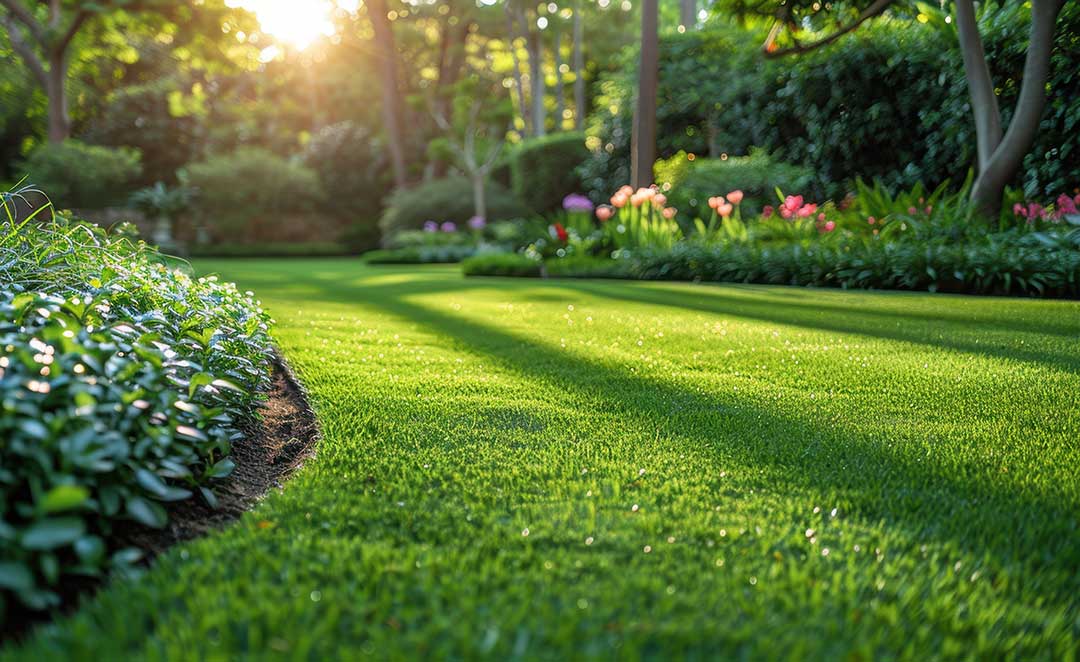
Lawn edges and bare patches are the most common places for weed invasion, so pay extra attention to these areas by topdressing and thickening grass coverage in the spring or early fall.
What About Weed Barriers or Landscape Fabric?
Physical weed barriers such as landscape fabric may be effective initially, particularly in ornamental beds or under gravel. Local households use these products beneath mulched shrubs, in perennial beds, or around playsets. However, weed seeds can blow in and sprout on top of fabric, especially as mulch decomposes. Regular upkeep—replenishing mulch and removing surface weeds—is still necessary.
For vegetable gardens or areas with frequent replanting, these barriers are less practical, since holes or tears quickly develop and tend to harbor persistent weeds underneath.
Can Certain Plants Suppress Weeds?
Planting ground covers, densely spaced shrubs, or robust perennial beds is an overlooked method for long-term weed suppression. In the city, tough natives like creeping thyme, sedum, or wild ginger are increasingly popular for slopes, borders, or difficult-to-mow corners. These plants shade the soil, making it difficult for weed seeds to establish.
Spacing plants closer together than usual also leaves less open ground for weeds to gain a foothold. Over time, established ground covers result in less maintenance and fewer chemical interventions.
What Should Residents Know About Weed Seeds from Neighbors or City Land?
Even diligent yard care in New London cannot stop all weeds, as wind and stormwater can transport seeds from roadsides, fields, or neighboring lots. Observing these patterns helps predict where to focus weed control efforts. Most infestations start near property lines, alleys, or open ditches.
Seasonal mowing and removing weed flowers before they set seed reduces the reinfestation cycle. Some residents use temporary barriers while newly seeded lawns or gardens fill in.
Are There Special Considerations for Wetlands, Driveways, or Play Areas?
Certain portions of residential property, like natural wetlands or rain gardens, should not receive any vinegar, salt, or boiling water due to potential harm to aquatic plants or pollinators. Areas bordering sidewalks and driveways often require spot treatments, but physical removal remains the safest for ongoing maintenance.
For play areas, bark mulch or engineered wood fiber offers both weed suppression and a softer surface for children while avoiding chemical exposure.